

+34 619 309 589
properties@loriini.es
FacebookInstagramLinkedin-in
  • Home
  • Properties
    • Costa Blanca
    • Costa del Sol
  • Villas
  • About Us
  • Collaboration
  • Lifestyle
  • Blog
  • Law
  • Contact
Login

Lost your password?
  • Home
  • Properties
    • Costa Blanca
    • Costa del Sol
  • Villas
  • About Us
  • Collaboration
  • Lifestyle
  • Blog
  • Law
  • Contact
Login
logotype
  • Home
  • Properties
    • Costa Blanca
    • Costa del Sol
  • Villas
  • About Us
  • Collaboration
  • Lifestyle
  • Blog
  • Law
  • Contact
  • Home
  • Properties
    • Costa Blanca
    • Costa del Sol
  • Villas
  • About Us
  • Collaboration
  • Lifestyle
  • Blog
  • Law
  • Contact
Real estate
HomeArchive by Category "Real estate"

Category: Real estate

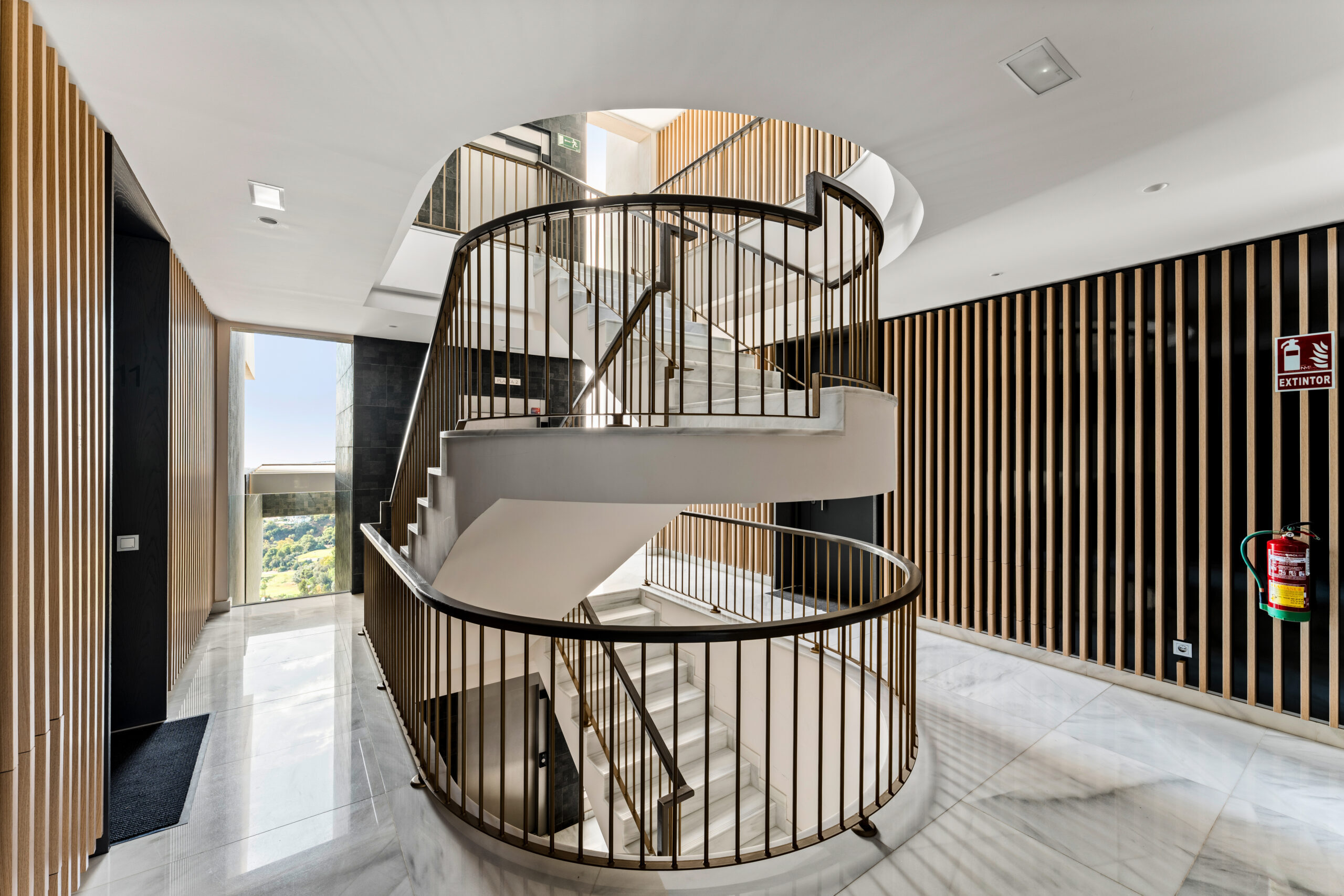
Casa Eloise Interiors-15.jg
2026-03-10
Real estateby Anna Jędrzejewska

Developer vs Housing Cooperative in Spain – what buyers should know before signing

When buying property in Spain, many international buyers assume that every new development follows the same purchasing structure. However, this is not always the case. Understanding the difference between a developer vs housing cooperative property purchase in Spain is crucial, because the legal structure, financial responsibility and buyer protection can vary significantly.

While both models can lead to the construction of a new home, the way projects are financed and managed is fundamentally different.

Buying from a developer – a standard market model

In most cases, new residential projects in Spain are built and financed by a real estate developer. The developer is responsible for acquiring the land, securing permits, organizing construction and managing the entire development process.

Buyers typically purchase the property through a developer contract and pay in stages during construction.

This model offers several advantages:

  • the developer assumes the primary financial risk of the project,

  • construction costs are defined in advance within the contract,

  • buyers benefit from consumer protection laws,

  • deposits are often secured by bank guarantees.

Therefore, in the context of a developer vs housing cooperative property purchase in Spain, buying directly from a developer generally provides greater legal clarity and financial predictability.

What is a housing cooperative purchase?

A housing cooperative (often called a cooperative development model) works differently.

In this structure, the future residents collectively form or join a cooperative that finances the entire project using the buyers’ own funds. Instead of purchasing a finished property from a developer, buyers effectively participate in funding the development itself.

This means that:

  • the project is financed directly by the cooperative members,

  • payments from buyers cover land acquisition, construction and project management,

  • the cooperative manages the development process rather than a commercial developer.

Although this model may sometimes appear attractive due to potentially lower initial pricing, it also introduces additional financial responsibility for the buyers.

Financial risk and cost changes

One of the most important aspects of a developer vs housing cooperative property purchase in Spain concerns financial risk.

In cooperative projects:

  • the entire development is funded by buyers’ contributions,

  • if construction costs increase, cooperative members are typically responsible for covering the difference,

  • budgets may evolve during the project depending on material or labor costs.

Consequently, buyers in cooperative structures often carry a larger share of financial uncertainty compared to traditional developer projects.

Contract flexibility and withdrawal

Another significant difference lies in the ability to withdraw from the purchase agreement.

When purchasing from a developer, consumer protection regulations and contractual structures may allow for clearer exit options in certain situations.

However, in a cooperative model:

  • withdrawing from the agreement can be significantly more complex,

  • buyers may need approval from the cooperative structure,

  • financial contributions already paid may be difficult to recover quickly.

Therefore, understanding the legal implications of a developer vs housing cooperative property purchase in Spain is essential before committing to such a structure.

Which model is better for buyers?

Both models exist within the Spanish property market, but they serve different types of buyers.

Developer projects are typically preferred by international buyers because they offer:

  • clearer legal frameworks,

  • defined pricing structures,

  • stronger consumer protections.

Meanwhile, cooperative developments may appeal to buyers who are comfortable participating more directly in the development process and sharing financial responsibility.

Due Diligence is essential

Regardless of the model, careful legal review remains critical. Buyers should always verify:

  • the legal structure of the project,

  • payment guarantees and protections,

  • construction permits and licenses,

  • financial obligations tied to the development.

Professional legal guidance ensures that buyers fully understand the implications of a developer vs housing cooperative property purchase in Spain before signing any agreement.

Understanding the structure before investing

Ultimately, the difference between developer and cooperative purchases lies in who carries the financial responsibility for the project.

Developer-led projects shift most of the development risk to the company managing the construction. Cooperative projects, on the other hand, distribute that responsibility among the buyers themselves.

For investors and lifestyle buyers alike, understanding this distinction is a key step toward making a safe and informed property decision in Spain.

_________
Check our listing. Get your dream home in Spain.

Read More
7
2026-03-04
Real estateby Anna Jędrzejewska

Primary vs. secondary market in Spain – what’s the difference when buying a property?

When purchasing real estate abroad, understanding the structure of the market is essential. One of the first concepts international buyers encounter is the primary vs secondary property market in Spain. While both options offer attractive opportunities, they differ in terms of pricing structure, legal process, customization potential and investment strategy.

Knowing the difference can help buyers choose the property type that best fits their lifestyle goals or investment plans.

What is the primary property market in Spain?

The primary market refers to brand-new properties purchased directly from a developer. These homes are typically part of newly built residential complexes or developments that have never been occupied before.

Properties in the primary market often include:

  • modern apartments in newly built communities,

  • contemporary villas in gated developments,

  • off-plan projects still under construction.

One of the advantages of the primary vs secondary property market in Spain comparison is that the primary market offers modern design, energy efficiency and new construction standards.

Additionally, buyers may benefit from:

  • developer guarantees,

  • the ability to choose finishes or materials in early project stages,

  • brand-new installations and appliances,

  • contemporary architecture and amenities such as pools, gyms or concierge services.

However, buyers should also consider that off-plan purchases may involve construction timelines and staged payments before completion.

What defines the secondary property market?

The secondary market consists of properties that have had at least one previous owner. These homes may range from relatively new apartments to older villas with established character and mature surroundings.

Compared with the primary market, secondary properties often offer:

  • established locations and neighborhoods,

  • immediate availability,

  • potentially larger plots or more traditional architecture,

  • opportunities for renovation or redesign.

Therefore, in the context of the primary vs secondary property market in Spain, the secondary segment often appeals to buyers who value location, character and immediate usability.

Differences in costs and taxes

One of the most important differences between the two markets lies in taxation.

In Spain:

Primary market purchases typically include:

  • VAT (IVA), usually around 10% for residential properties

  • Stamp duty (AJD), depending on the region

Secondary market purchases usually involve:

  • Property transfer tax (ITP), typically between 6% and 10% depending on the autonomous community.

As a result, understanding the financial structure of the primary vs secondary property market in Spain is crucial when planning the total investment budget.

Investment perspective: which option is better?

Both segments can offer strong investment potential, but they appeal to slightly different strategies.

Primary market advantages:

  • modern infrastructure and strong rental appeal,

  • higher energy efficiency standards,

  • potential value appreciation upon project completion.

Secondary market advantages:

  • established prime locations,

  • potential to add value through renovation,

  • immediate rental possibilities.

Consequently, the decision often depends on whether a buyer prioritizes new construction and amenities or location and character.

Lifestyle considerations

Beyond financial factors, lifestyle preferences also influence the choice.

Many buyers choose primary properties because they prefer modern design and resort-style living. Meanwhile, others are drawn to secondary homes because they offer authentic architecture and established Mediterranean surroundings.

Therefore, when comparing the primary vs secondary property market in Spain, it is important to consider not only investment potential but also how the property fits into everyday life.

Navigating both markets safely

Whether purchasing a new development or a resale property, due diligence remains essential. Buyers should carefully review:

  • property registration status,

  • building permits and licenses,

  • community regulations,

  • potential legal restrictions.

Working with experienced real estate professionals and legal advisors ensures that the process remains transparent and secure.

Two markets, one opportunity

Ultimately, both segments of the primary vs secondary property market in Spain offer compelling advantages. The key lies in understanding how each market works and aligning that knowledge with personal goals.

For some buyers, a modern apartment in a new development represents the ideal Mediterranean lifestyle. For others, a character-filled villa in an established neighborhood offers a more authentic experience.

Either way, Spain continues to offer one of Europe’s most dynamic and attractive property markets.  Check our listing.


Read More
1
2026-02-25
Real estateby Anna Jędrzejewska

The most sought-after premium property types: villas, penthouses and sea-view residences

The demand for luxury real estate in southern Europe continues to grow, particularly among international buyers seeking lifestyle, security and long-term value. Premium properties in Spain represent more than prestigious addresses — they reflect a conscious investment in quality of life, privacy and capital stability. Among the most sought-after segments are three distinct categories: luxury villas, penthouses and sea-view residences.

Luxury Villas – privacy and architectural freedom

Villas remain one of the strongest pillars of the high-end property market.

Why? Because they offer:

  • complete privacy,

  • private gardens and swimming pools,

  • expansive terraces and outdoor living areas,

  • architectural individuality,

  • strong long-term appreciation potential.

Moreover, premium properties in Spain in the villa category are often located in gated communities with 24-hour security, ensuring both exclusivity and peace of mind.

For many buyers, a villa is not just a holiday property — it is a second home, a remote working base and a gathering place for family and international connections.

Penthouses – elevated living with panoramic views

Penthouses in prime destinations such as Marbella or Costa Blanca are increasingly in demand.

Their appeal lies in:

  • panoramic sea or mountain views,

  • large rooftop terraces,

  • private plunge pools or jacuzzis,

  • direct access to premium amenities such as spa, gym or concierge services.

A penthouse combines the convenience of apartment living with the privacy typically associated with a villa. As a result, premium properties in Spain within this category attract buyers who prioritise low maintenance without compromising on lifestyle quality.

Sea-view residences – timeless investment value

Few features influence demand and pricing as strongly as a direct sea view.

Sea-view residences, whether frontline or hillside, offer:

  • uninterrupted Mediterranean panoramas,

  • optimal natural light exposure,

  • high resale value stability,

  • strong potential for luxury rental returns.

In practical terms, premium properties in Spain with sea views are often considered among the most resilient assets in the market. The emotional value of the view translates directly into financial durability.

Why the premium segment remains market-resilient

The luxury property segment operates differently from the mass market.

Premium buyers typically:

  • invest with a long-term horizon,

  • prioritise quality over short-term pricing fluctuations,

  • view property as capital preservation,

  • integrate lifestyle and investment decisions.

Consequently, villas, penthouses and sea-view residences tend to maintain strong demand even during periods of broader market uncertainty.

Location defines true premium

The strongest interest in premium properties in Spain is concentrated in regions such as:

  • Costa del Sol,

  • Marbella and its surrounding gated communities,

  • selected areas of Costa Blanca,

  • exclusive residential enclaves with limited inventory.

These locations combine climate, infrastructure, international connectivity and a stable luxury buyer base — creating a sustainable high-end ecosystem.

Premium means more than size

Ultimately, luxury is not defined by square meters alone. It is defined by:

  • location,

  • architectural quality,

  • construction standards,

  • privacy,

  • and the lifestyle it enables.

Premium properties in Spain appeal to buyers who seek not only a real estate asset, but an environment that elevates daily living.


Read More
logotype

Request a callback

Leave your details and our advisor will get back to you shortly to discuss your needs and the best options on the Costa del Sol. We respond within one business day.

Loriini Furniture

+34 619 309 589

Centro de Negocios Puerta de Banús, BLQ.C Local 13, Nueva Andalucía, 29660 Marbella

contact@loriini.es

The Lawyers

+34 616 209 203

Centro de Negocios Puerta de Banús, BLQ.C Local 13, Nueva Andalucía, 29660 Marbella

contact@thelawyers.com
Facebook-fInstagramLinkedin-in

Copyright © 2025 Loriini Properties / All rights reserved