
2026-03-04
When purchasing real estate abroad, understanding the structure of the market is essential. One of the first concepts international buyers encounter is the primary vs secondary property market in Spain. While both options offer attractive opportunities, they differ in terms of pricing structure, legal process, customization potential and investment strategy.
Knowing the difference can help buyers choose the property type that best fits their lifestyle goals or investment plans.
What is the primary property market in Spain?
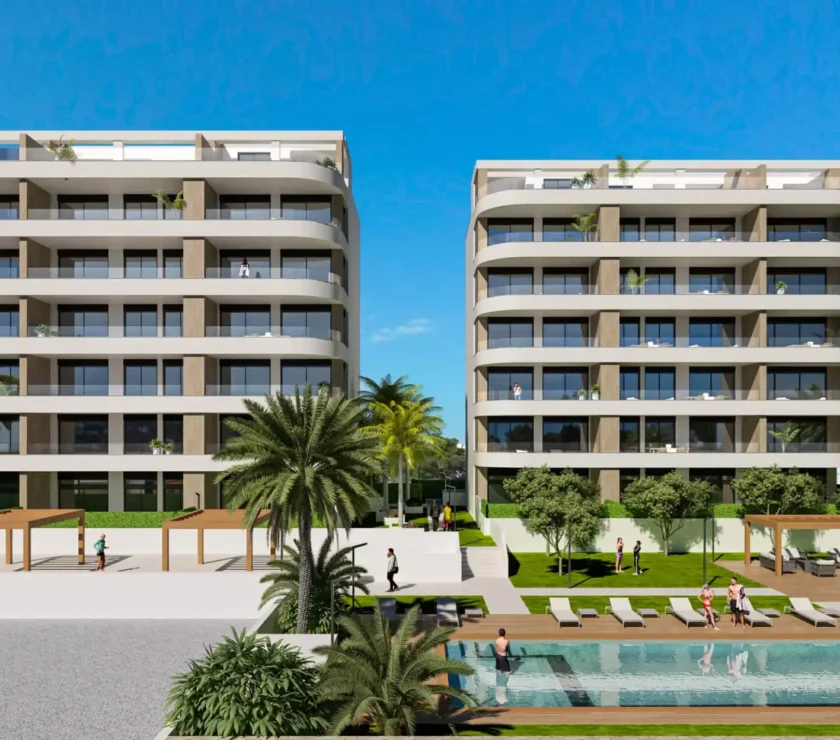
The primary market refers to brand-new properties purchased directly from a developer. These homes are typically part of newly built residential complexes or developments that have never been occupied before.
Properties in the primary market often include:
- modern apartments in newly built communities,
- contemporary villas in gated developments,
- off-plan projects still under construction.
One of the advantages of the primary vs secondary property market in Spain comparison is that the primary market offers modern design, energy efficiency and new construction standards.
Additionally, buyers may benefit from:
- developer guarantees,
- the ability to choose finishes or materials in early project stages,
- brand-new installations and appliances,
- contemporary architecture and amenities such as pools, gyms or concierge services.
However, buyers should also consider that off-plan purchases may involve construction timelines and staged payments before completion.
What defines the secondary property market?
The secondary market consists of properties that have had at least one previous owner. These homes may range from relatively new apartments to older villas with established character and mature surroundings.
Compared with the primary market, secondary properties often offer:
- established locations and neighborhoods,
- immediate availability,
- potentially larger plots or more traditional architecture,
- opportunities for renovation or redesign.
Therefore, in the context of the primary vs secondary property market in Spain, the secondary segment often appeals to buyers who value location, character and immediate usability.
Differences in costs and taxes
One of the most important differences between the two markets lies in taxation.
In Spain:
Primary market purchases typically include:
- VAT (IVA), usually around 10% for residential properties
- Stamp duty (AJD), depending on the region
Secondary market purchases usually involve:
- Property transfer tax (ITP), typically between 6% and 10% depending on the autonomous community.
As a result, understanding the financial structure of the primary vs secondary property market in Spain is crucial when planning the total investment budget.
Investment perspective: which option is better?
Both segments can offer strong investment potential, but they appeal to slightly different strategies.
Primary market advantages:
- modern infrastructure and strong rental appeal,
- higher energy efficiency standards,
- potential value appreciation upon project completion.
Secondary market advantages:
- established prime locations,
- potential to add value through renovation,
- immediate rental possibilities.
Consequently, the decision often depends on whether a buyer prioritizes new construction and amenities or location and character.
Lifestyle considerations
Beyond financial factors, lifestyle preferences also influence the choice.
Many buyers choose primary properties because they prefer modern design and resort-style living. Meanwhile, others are drawn to secondary homes because they offer authentic architecture and established Mediterranean surroundings.
Therefore, when comparing the primary vs secondary property market in Spain, it is important to consider not only investment potential but also how the property fits into everyday life.
Navigating both markets safely
Whether purchasing a new development or a resale property, due diligence remains essential. Buyers should carefully review:
- property registration status,
- building permits and licenses,
- community regulations,
- potential legal restrictions.
Working with experienced real estate professionals and legal advisors ensures that the process remains transparent and secure.
Two markets, one opportunity
Ultimately, both segments of the primary vs secondary property market in Spain offer compelling advantages. The key lies in understanding how each market works and aligning that knowledge with personal goals.
For some buyers, a modern apartment in a new development represents the ideal Mediterranean lifestyle. For others, a character-filled villa in an established neighborhood offers a more authentic experience.
Either way, Spain continues to offer one of Europe’s most dynamic and attractive property markets. Check our listing.