
+34 619 309 589
properties@loriini.es
FacebookInstagramLinkedin-in
  • Home
  • Properties
    • Costa Blanca
    • Costa del Sol
  • Villas
  • About Us
  • Collaboration
  • Lifestyle
  • Blog
  • Law
  • Contact
Login

Lost your password?
  • Home
  • Properties
    • Costa Blanca
    • Costa del Sol
  • Villas
  • About Us
  • Collaboration
  • Lifestyle
  • Blog
  • Law
  • Contact
Login
logotype
  • Home
  • Properties
    • Costa Blanca
    • Costa del Sol
  • Villas
  • About Us
  • Collaboration
  • Lifestyle
  • Blog
  • Law
  • Contact
  • Home
  • Properties
    • Costa Blanca
    • Costa del Sol
  • Villas
  • About Us
  • Collaboration
  • Lifestyle
  • Blog
  • Law
  • Contact
Loriini Properties Tag
HomePosts Tagged "Loriini Properties"

Tag: Loriini Properties

15
2026-03-18
Tipsby Anna Jędrzejewska

Festivals, culture and local life – the true spirit of Andalusia

For many international buyers, choosing southern Spain is not only about property — it is about atmosphere, rhythm and everyday experience. Living in Andalusia Spain means becoming part of a culture that celebrates life through traditions, festivals and strong community ties. Beyond the beaches and sunshine, Andalusia offers something deeper: a lifestyle shaped by history, emotion and connection.

More than a destination — a way of life

Andalusia is not just a region you visit.
It is a place you feel.

From the moment you arrive, there is a noticeable shift in pace. Life unfolds more naturally, guided by sunlight, social interactions and long-standing traditions. Therefore, living in Andalusia Spain becomes less about routine and more about experience.

Mornings begin slowly, often with coffee in a local café. Afternoons stretch into shared meals, while evenings bring people together in open plazas filled with conversation and music.

Festivals that define the region

One of the most distinctive aspects of Andalusian life is its festivals. These are not occasional events — they are an essential part of local identity.

Throughout the year, towns and cities transform into vibrant stages of color, music and celebration.

Among the most iconic are:

  • Feria de Abril in Seville,
  • Semana Santa processions across the region,
  • local ferias in Marbella, Málaga and smaller coastal towns.

During these moments, living in Andalusia Spain means participating — not observing. Streets fill with traditional dress, flamenco rhythms and a sense of collective joy that is both authentic and deeply rooted.

Culture that lives beyond museums

In Andalusia, culture is not confined to galleries or historical sites. It is present in everyday life.

You can experience it in:

  • flamenco performances echoing through intimate venues,
  • local markets filled with regional flavors,
  • architecture blending Moorish, Spanish and Mediterranean influences,
  • family-owned restaurants preserving culinary traditions.

As a result, living in Andalusia Spain allows residents to engage with culture daily — not as a tourist activity, but as part of their lifestyle.

Community and human connection

Perhaps the most valuable aspect of Andalusian life is its sense of community.

Unlike larger metropolitan environments, social interactions here feel more personal and spontaneous. Neighbors greet each other, conversations happen naturally and relationships are built over time.

Consequently, living in Andalusia Spain offers something increasingly rare: genuine human connection.

This is especially important for international buyers seeking not only a property, but also a sense of belonging.

A lifestyle that balances energy and calm

Andalusia offers a unique balance between vibrancy and relaxation.

On one hand, there are festivals, social gatherings and cultural events. On the other, there is space for quiet moments — seaside walks, mountain views and slow mornings.

Therefore, living in Andalusia Spain allows residents to move between energy and calm without leaving the region.

Why this matters for property buyers

For those considering purchasing property, lifestyle plays a crucial role in decision-making.

A home in Andalusia is not just an asset. It is an entry point into a way of life defined by:

  • strong cultural identity,
  • year-round social activity,
  • a warm and welcoming community,
  • an environment that supports both relaxation and inspiration.

Because of this, living in Andalusia Spain is often described not as a change of location, but as a change of perspective.

The true spirit of Andalusia

Ultimately, Andalusia cannot be fully understood through descriptions alone. It is experienced through its people, its traditions and its rhythm.

It is found in shared meals, late-night conversations and celebrations that bring entire communities together.

And for many, that is exactly why living in Andalusia Spain becomes more than a choice — it becomes a lifestyle.
Read More
Casa Eloise Interiors-15.jg
2026-03-10
Real estateby Anna Jędrzejewska

Developer vs Housing Cooperative in Spain – what buyers should know before signing

When buying property in Spain, many international buyers assume that every new development follows the same purchasing structure. However, this is not always the case. Understanding the difference between a developer vs housing cooperative property purchase in Spain is crucial, because the legal structure, financial responsibility and buyer protection can vary significantly.

While both models can lead to the construction of a new home, the way projects are financed and managed is fundamentally different.

Buying from a developer – a standard market model

In most cases, new residential projects in Spain are built and financed by a real estate developer. The developer is responsible for acquiring the land, securing permits, organizing construction and managing the entire development process.

Buyers typically purchase the property through a developer contract and pay in stages during construction.

This model offers several advantages:

  • the developer assumes the primary financial risk of the project,

  • construction costs are defined in advance within the contract,

  • buyers benefit from consumer protection laws,

  • deposits are often secured by bank guarantees.

Therefore, in the context of a developer vs housing cooperative property purchase in Spain, buying directly from a developer generally provides greater legal clarity and financial predictability.

What is a housing cooperative purchase?

A housing cooperative (often called a cooperative development model) works differently.

In this structure, the future residents collectively form or join a cooperative that finances the entire project using the buyers’ own funds. Instead of purchasing a finished property from a developer, buyers effectively participate in funding the development itself.

This means that:

  • the project is financed directly by the cooperative members,

  • payments from buyers cover land acquisition, construction and project management,

  • the cooperative manages the development process rather than a commercial developer.

Although this model may sometimes appear attractive due to potentially lower initial pricing, it also introduces additional financial responsibility for the buyers.

Financial risk and cost changes

One of the most important aspects of a developer vs housing cooperative property purchase in Spain concerns financial risk.

In cooperative projects:

  • the entire development is funded by buyers’ contributions,

  • if construction costs increase, cooperative members are typically responsible for covering the difference,

  • budgets may evolve during the project depending on material or labor costs.

Consequently, buyers in cooperative structures often carry a larger share of financial uncertainty compared to traditional developer projects.

Contract flexibility and withdrawal

Another significant difference lies in the ability to withdraw from the purchase agreement.

When purchasing from a developer, consumer protection regulations and contractual structures may allow for clearer exit options in certain situations.

However, in a cooperative model:

  • withdrawing from the agreement can be significantly more complex,

  • buyers may need approval from the cooperative structure,

  • financial contributions already paid may be difficult to recover quickly.

Therefore, understanding the legal implications of a developer vs housing cooperative property purchase in Spain is essential before committing to such a structure.

Which model is better for buyers?

Both models exist within the Spanish property market, but they serve different types of buyers.

Developer projects are typically preferred by international buyers because they offer:

  • clearer legal frameworks,

  • defined pricing structures,

  • stronger consumer protections.

Meanwhile, cooperative developments may appeal to buyers who are comfortable participating more directly in the development process and sharing financial responsibility.

Due Diligence is essential

Regardless of the model, careful legal review remains critical. Buyers should always verify:

  • the legal structure of the project,

  • payment guarantees and protections,

  • construction permits and licenses,

  • financial obligations tied to the development.

Professional legal guidance ensures that buyers fully understand the implications of a developer vs housing cooperative property purchase in Spain before signing any agreement.

Understanding the structure before investing

Ultimately, the difference between developer and cooperative purchases lies in who carries the financial responsibility for the project.

Developer-led projects shift most of the development risk to the company managing the construction. Cooperative projects, on the other hand, distribute that responsibility among the buyers themselves.

For investors and lifestyle buyers alike, understanding this distinction is a key step toward making a safe and informed property decision in Spain.

_________

Check our listing. Get your dream home in Spain.

Read More
7
2026-03-04
Real estateby Anna Jędrzejewska

Primary vs. secondary market in Spain – what’s the difference when buying a property?

When purchasing real estate abroad, understanding the structure of the market is essential. One of the first concepts international buyers encounter is the primary vs secondary property market in Spain. While both options offer attractive opportunities, they differ in terms of pricing structure, legal process, customization potential and investment strategy.

Knowing the difference can help buyers choose the property type that best fits their lifestyle goals or investment plans.

What is the primary property market in Spain?

The primary market refers to brand-new properties purchased directly from a developer. These homes are typically part of newly built residential complexes or developments that have never been occupied before.

Properties in the primary market often include:

  • modern apartments in newly built communities,

  • contemporary villas in gated developments,

  • off-plan projects still under construction.

One of the advantages of the primary vs secondary property market in Spain comparison is that the primary market offers modern design, energy efficiency and new construction standards.

Additionally, buyers may benefit from:

  • developer guarantees,

  • the ability to choose finishes or materials in early project stages,

  • brand-new installations and appliances,

  • contemporary architecture and amenities such as pools, gyms or concierge services.

However, buyers should also consider that off-plan purchases may involve construction timelines and staged payments before completion.

What defines the secondary property market?

The secondary market consists of properties that have had at least one previous owner. These homes may range from relatively new apartments to older villas with established character and mature surroundings.

Compared with the primary market, secondary properties often offer:

  • established locations and neighborhoods,

  • immediate availability,

  • potentially larger plots or more traditional architecture,

  • opportunities for renovation or redesign.

Therefore, in the context of the primary vs secondary property market in Spain, the secondary segment often appeals to buyers who value location, character and immediate usability.

Differences in costs and taxes

One of the most important differences between the two markets lies in taxation.

In Spain:

Primary market purchases typically include:

  • VAT (IVA), usually around 10% for residential properties

  • Stamp duty (AJD), depending on the region

Secondary market purchases usually involve:

  • Property transfer tax (ITP), typically between 6% and 10% depending on the autonomous community.

As a result, understanding the financial structure of the primary vs secondary property market in Spain is crucial when planning the total investment budget.

Investment perspective: which option is better?

Both segments can offer strong investment potential, but they appeal to slightly different strategies.

Primary market advantages:

  • modern infrastructure and strong rental appeal,

  • higher energy efficiency standards,

  • potential value appreciation upon project completion.

Secondary market advantages:

  • established prime locations,

  • potential to add value through renovation,

  • immediate rental possibilities.

Consequently, the decision often depends on whether a buyer prioritizes new construction and amenities or location and character.

Lifestyle considerations

Beyond financial factors, lifestyle preferences also influence the choice.

Many buyers choose primary properties because they prefer modern design and resort-style living. Meanwhile, others are drawn to secondary homes because they offer authentic architecture and established Mediterranean surroundings.

Therefore, when comparing the primary vs secondary property market in Spain, it is important to consider not only investment potential but also how the property fits into everyday life.

Navigating both markets safely

Whether purchasing a new development or a resale property, due diligence remains essential. Buyers should carefully review:

  • property registration status,

  • building permits and licenses,

  • community regulations,

  • potential legal restrictions.

Working with experienced real estate professionals and legal advisors ensures that the process remains transparent and secure.

Two markets, one opportunity

Ultimately, both segments of the primary vs secondary property market in Spain offer compelling advantages. The key lies in understanding how each market works and aligning that knowledge with personal goals.

For some buyers, a modern apartment in a new development represents the ideal Mediterranean lifestyle. For others, a character-filled villa in an established neighborhood offers a more authentic experience.

Either way, Spain continues to offer one of Europe’s most dynamic and attractive property markets.  Check our listing.


Read More
1
2026-02-25
Real estateby Anna Jędrzejewska

The most sought-after premium property types: villas, penthouses and sea-view residences

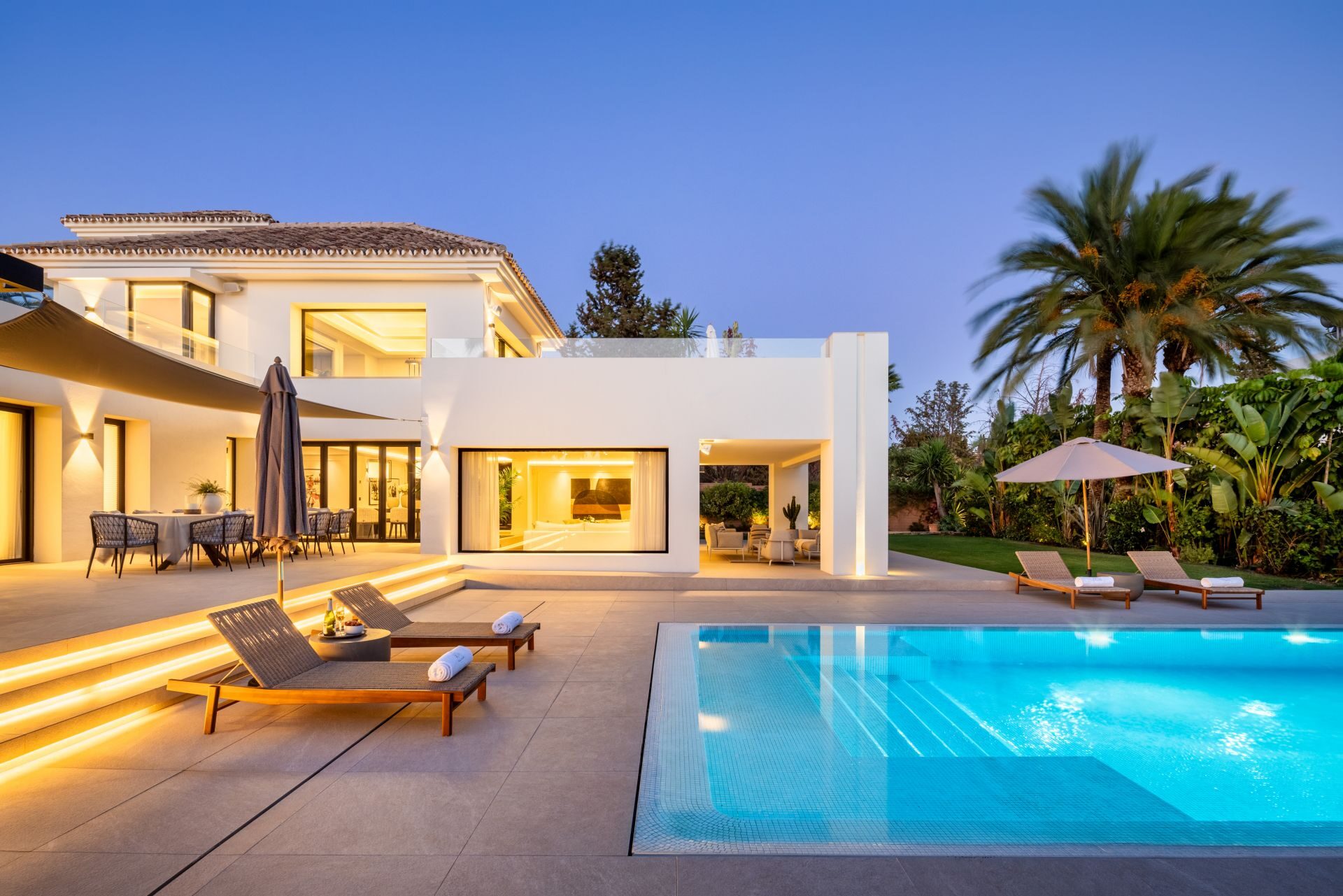
The demand for luxury real estate in southern Europe continues to grow, particularly among international buyers seeking lifestyle, security and long-term value. Premium properties in Spain represent more than prestigious addresses — they reflect a conscious investment in quality of life, privacy and capital stability. Among the most sought-after segments are three distinct categories: luxury villas, penthouses and sea-view residences.

Luxury Villas – privacy and architectural freedom

Villas remain one of the strongest pillars of the high-end property market.

Why? Because they offer:

  • complete privacy,

  • private gardens and swimming pools,

  • expansive terraces and outdoor living areas,

  • architectural individuality,

  • strong long-term appreciation potential.

Moreover, premium properties in Spain in the villa category are often located in gated communities with 24-hour security, ensuring both exclusivity and peace of mind.

For many buyers, a villa is not just a holiday property — it is a second home, a remote working base and a gathering place for family and international connections.

Penthouses – elevated living with panoramic views

Penthouses in prime destinations such as Marbella or Costa Blanca are increasingly in demand.

Their appeal lies in:

  • panoramic sea or mountain views,

  • large rooftop terraces,

  • private plunge pools or jacuzzis,

  • direct access to premium amenities such as spa, gym or concierge services.

A penthouse combines the convenience of apartment living with the privacy typically associated with a villa. As a result, premium properties in Spain within this category attract buyers who prioritise low maintenance without compromising on lifestyle quality.

Sea-view residences – timeless investment value

Few features influence demand and pricing as strongly as a direct sea view.

Sea-view residences, whether frontline or hillside, offer:

  • uninterrupted Mediterranean panoramas,

  • optimal natural light exposure,

  • high resale value stability,

  • strong potential for luxury rental returns.

In practical terms, premium properties in Spain with sea views are often considered among the most resilient assets in the market. The emotional value of the view translates directly into financial durability.

Why the premium segment remains market-resilient

The luxury property segment operates differently from the mass market.

Premium buyers typically:

  • invest with a long-term horizon,

  • prioritise quality over short-term pricing fluctuations,

  • view property as capital preservation,

  • integrate lifestyle and investment decisions.

Consequently, villas, penthouses and sea-view residences tend to maintain strong demand even during periods of broader market uncertainty.

Location defines true premium

The strongest interest in premium properties in Spain is concentrated in regions such as:

  • Costa del Sol,

  • Marbella and its surrounding gated communities,

  • selected areas of Costa Blanca,

  • exclusive residential enclaves with limited inventory.

These locations combine climate, infrastructure, international connectivity and a stable luxury buyer base — creating a sustainable high-end ecosystem.

Premium means more than size

Ultimately, luxury is not defined by square meters alone. It is defined by:

  • location,

  • architectural quality,

  • construction standards,

  • privacy,

  • and the lifestyle it enables.

Premium properties in Spain appeal to buyers who seek not only a real estate asset, but an environment that elevates daily living.


Read More
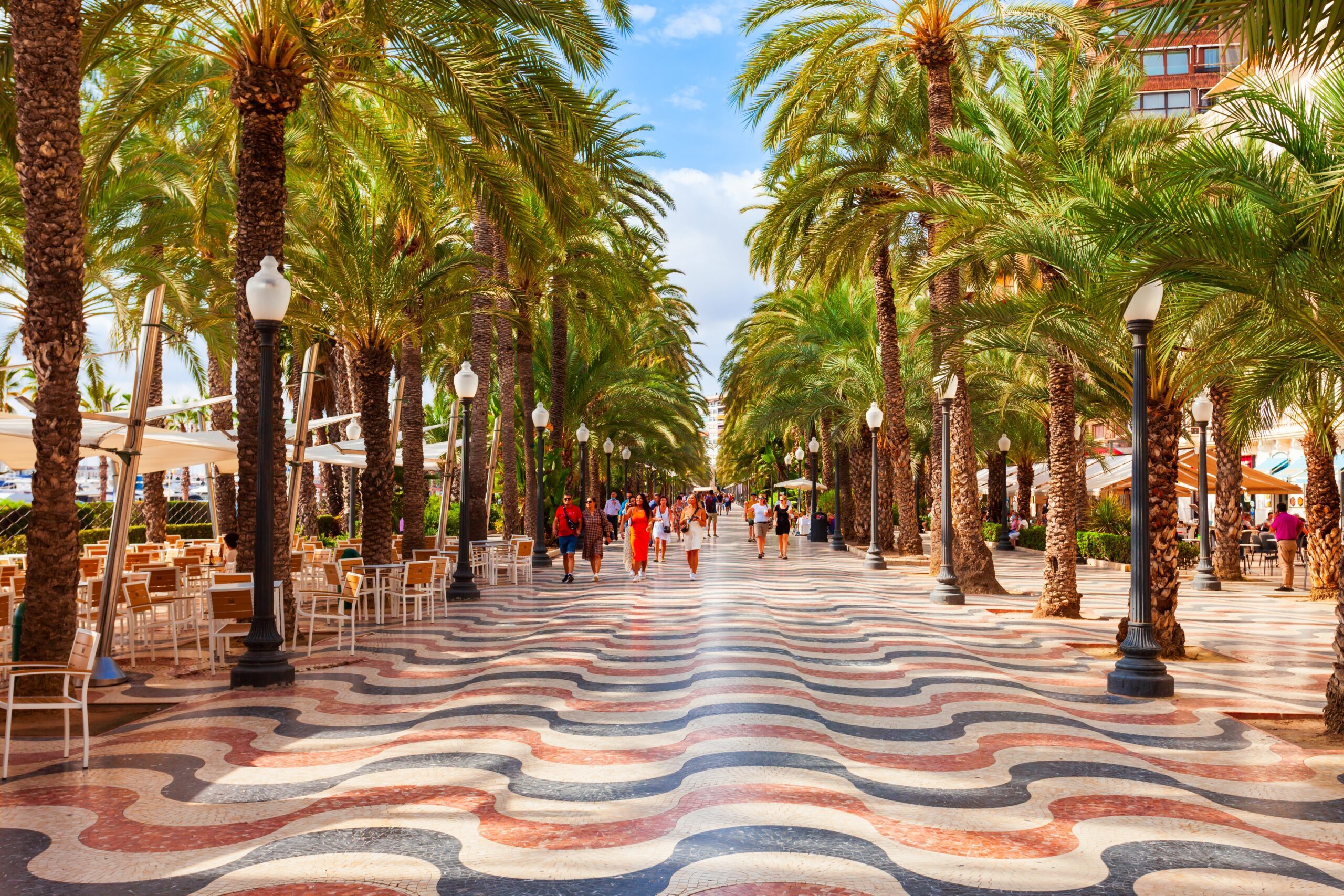
Alicante,,Spain,-,October,18,,2021:,Promenade,Near,The,Port
2026-02-19
Costa Blanca real estate marketby Anna Jędrzejewska

Costa Blanca — mediterranean living with space, sun and investment potential

The southern part of Costa Blanca has been gaining increasing attention from international buyers looking for sun, lifestyle and long-term value. South Costa Blanca real estate combines Mediterranean climate, accessible pricing and strong rental potential — making it one of the most balanced regions in Spain for both living and investment.

What defines Costa Blanca?

South Costa Blanca stretches from Alicante down to areas such as Torrevieja, Orihuela Costa and Pilar de la Horadada. Compared to the northern part of the region, the south is generally flatter, more open and characterised by long sandy beaches and expansive coastal promenades.

Importantly, this part of Costa Blanca offers:

  • over 300 days of sunshine per year,
  • mild winters and warm summers,
  • well-developed infrastructure,
  • strong international communities.

As a result, Costa Blanca attracts not only holidaymakers but also year-round residents and remote workers.

Lifestyle: space, light and accessibility

One of the main advantages of Costa Blanca real estate is the balance between lifestyle and affordability.

Here, buyers can often find:

  • modern apartments with sea views,
  • townhouses within gated communities,
  • villas with private pools at competitive prices,
  • properties close to golf courses and beaches.

Moreover, Alicante Airport provides excellent connectivity to the rest of Europe, which significantly increases both rental demand and resale attractiveness.

Therefore, this area becomes particularly appealing for those considering a second home in Spain that is easy to access and easy to maintain.

Investment perspective: rental demand and price stability

South Costa Blanca is known for consistent holiday rental demand, especially during spring and summer seasons. However, thanks to its climate and infrastructure, off-season occupancy remains relatively strong compared to more seasonal destinations.

From an investment standpoint, Costa Blanca real estate offers:

  • competitive entry prices compared to other Mediterranean hotspots,
  • solid short-term rental opportunities (subject to local regulations),
  • long-term rental demand from expatriates and retirees,
  • gradual and stable price growth.

Consequently, the region represents a lower-barrier entry point into the Spanish property market without compromising lifestyle quality.

Golf, nature and everyday comfort

Beyond beaches, Costa Blanca is home to several well-known golf courses, natural parks and salt lakes that create a unique microclimate.

This environment supports:

  • active outdoor living,
  • health-focused lifestyles,
  • community-oriented neighbourhoods,
  • a relaxed yet structured daily rhythm.

For many buyers, this combination makes the region suitable not only for holidays but for permanent relocation.

Who is Costa Blanca for?

South Costa Blanca appeals particularly to:

  • buyers looking for value-for-money properties,
  • investors entering the Spanish market for the first time,
  • families seeking year-round sunshine,
  • retirees prioritising climate and cost of living,
  • remote professionals working in hybrid models.

Because of this diversity, the region offers flexibility rarely found in more saturated luxury markets.

Why Loriini expands here?

At Loriini Properties, expansion into Costa Blanca is a strategic response to client demand. Many buyers are looking for alternatives that combine Mediterranean lifestyle with accessible pricing and strong long-term potential.

By carefully selecting projects in this region, we ensure:

  • legal clarity,
  • investment security,
  • high-quality developments,
  • and long-term lifestyle value.

Our role is not only to present properties, but to evaluate their true potential — both financially and personally.

Mediterranean living without compromise

Ultimately, South Costa Blanca real estate represents a balanced opportunity.

It offers sun without excessive saturation.
Investment potential without extreme price barriers.
Lifestyle without unnecessary complexity.

For buyers seeking a second home in Spain — or a strategic entry into the Mediterranean property market — Costa Blanca stands out as one of the most pragmatic and promising options. Check our newest listing.


Read More
478567950_1214921017300841_3498819942747557542_n
2026-02-11
Bez kategoriiCosta del Sol estates marketby Anna Jędrzejewska

Golf, Marbella and the art of living well — why this is more than a partnership

For many of our clients, living in Marbella as a second home is not just about property ownership — it is about lifestyle, rhythm and environment. That is precisely why our long-term partnership with professional golfer Oskar Zaborowski feels so natural. Golf, mindset and Marbella form a powerful combination that reflects what this place truly offers: space to grow, space to connect and space to live well.

Marbella — where sport, nature and business meet

Marbella is often described as Europe’s golf capital — and for good reason.
With world-class golf courses, a unique microclimate shaped by mountains and sea, and over 300 sunny days per year, it creates ideal conditions for year-round sport and outdoor living.

However, living in Marbella as a second home goes beyond golf.

It means:

  • mornings on the terrace with sea views,

  • afternoons between mountains and coastline,

  • evenings in a community of international entrepreneurs and professionals,

  • a hybrid lifestyle that connects Spain with the rest of Europe.

This balance between ambition and wellbeing makes Marbella a natural choice for those who value quality over noise.

Why golf belongs to Marbella

Golf in Marbella is not an elite myth — it is a daily reality.
The sport has become part of the social and business ecosystem of the region.

Unlike many disciplines, golf allows professionals and amateurs to share the same space thanks to the handicap system. Four hours on the course often create deeper conversations than months of formal meetings.

Therefore, it is not surprising that ambitious individuals, business leaders and athletes are drawn here. Marbella offers not only infrastructure, but also environment — and environment shapes performance.

A partnership rooted in shared values

Our collaboration with Oskar Zaborowski is not a short-term marketing initiative. It reflects shared principles:

  • long-term thinking,

  • patience and discipline,

  • precision and consistency,

  • emotional control under pressure.

These values define both professional golf and successful investment in real estate.

Just as the road to the sporting elite is built season by season, living in Marbella as a second home is often a long-term decision — one that prioritises quality of life over short-term gain.

The reality behind ambition

Professional golf requires more than talent.
A full Pro Golf Tour season can cost around 100,000 PLN, covering tournament fees, travel, coaching and preparation.

Yet the financial aspect is only part of the story. Time, sacrifice and unwavering commitment are equally important.

Similarly, choosing Marbella as a second home is not only about buying property — it is about investing in an environment that supports your ambitions, your health and your network.

Marbella as a strategic lifestyle choice

Many of our clients decide on living in Marbella as a second home because the city offers something rare:

  • stability combined with international energy,

  • year-round outdoor activity,

  • strong property value resilience,

  • a community that values growth and balance.

It is a place where sport, business and lifestyle naturally intersect — and where quality of life becomes part of everyday routine.

Building community around quality of life

Our collaboration will evolve through:

  • golf events and on-course experiences,

  • opportunities to train and connect,

  • lifestyle-focused gatherings,

  • conversations around sport, ambition and conscious living.

Because ultimately, Marbella is not just about property — it is about people.

More than a location — a mindset

The journey to excellence, whether in sport or in life, is never a single season. It is a process built on consistency and belief.

Golf is not just a sport.
Marbella is not just a destination.

Both represent a mindset — focused, balanced and forward-looking.

And for many, that is exactly why living in Marbella as a second home becomes one of the most meaningful decisions they make.

Check out our offers. Click.


_________

This Saturday afternoon, we sat down to talk about life, sport, passion and dedication — about living in Spain and the future of our collaboration.

The full conversation is now available on our YouTube.

Read More
Financial,Advisor,Consulting,With,Client,For,Real,Estate,Investment.,New
2026-02-04
Costa del Sol estates marketby Anna Jędrzejewska

Vivienda Libre vs. Vivienda Protegida – what every property investor in Spain should know

Planning to buy property in Spain? Before making an investment decision, it’s essential to understand a key distinction that directly affects profitability, flexibility and legal freedom. Vivienda libre vs vivienda protegida is one of the most important classifications on the Spanish property market — especially for investors considering rental income or future resale.

Vivienda Libre – Full Ownership and Investment Freedom

Vivienda libre refers to free-market property and is the most flexible form of ownership in Spain.

Key characteristics of vivienda libre:

  • full ownership purchased at standard market price,

  • no restrictions on resale or rental,

  • possibility of short-term holiday rental (subject to legal requirements such as a tourist licence),

  • full freedom to manage and monetise the property,

  • ideal for investors seeking flexibility and long-term return.

For this reason, when analysing vivienda libre vs vivienda protegida, most investors favour vivienda libre — particularly for buy-to-let, holiday rentals or resale strategies.

Vivienda Protegida – Lower Price, Higher Restrictions

Vivienda protegida (protected or subsidised housing) is property regulated by government or regional housing programmes.

Its main features include:

  • purchase price below market value due to public subsidies,

  • legal restrictions such as:

    • capped resale price,

    • income limits for buyers,

  • obligation to use the property as a primary residence,

  • restrictions on resale (often for a minimum of 5–10 years),

  • usually no permission for short-term tourist rentals.

As a result, the comparison vivienda protegida vs vivienda libre comes down to affordability versus investment freedom.

Which Option Is Better for Investors?

If your goal is:

  • short-term or holiday rental,

  • flexible property management,

  • future resale with profit,

then in most cases vivienda libre is the better option.

On the other hand, vivienda protegida may suit buyers who:

  • meet specific income requirements,

  • are looking for a more affordable home for personal use,

  • accept long-term legal and resale restrictions.

Therefore, when evaluating vivienda libre vs vivienda protegida, the key question is simple:
are you buying to live — or to invest?

Why Legal Due Diligence Is Essential?

At first glance, two properties may appear identical. However, the legal differences between vivienda libre and vivienda protegida are embedded in official documentation — not always in the listing description.

That’s why, before purchasing, it’s crucial to:

  • verify the legal status of the property,

  • confirm rental and resale limitations,

  • review regional regulations (which vary across autonomous communities).

Legal Support for Property Investors in Spain

If you’re unsure which type of property best suits your investment strategy, our legal team supports investors throughout the entire process, including:

  • legal verification of vivienda libre vs vivienda protegida status,

  • analysis of restrictions and obligations,

  • secure transaction management in line with Spanish law.

This ensures that your investment is transparent, compliant and free from unexpected limitations after purchase.
Click here to contact with The Lawyers.


Read More
0 (1)
2026-01-21
Bez kategoriiby Anna Jędrzejewska

Interior Design in 2026: how emotion is shaping the homes we buy and live in

At Loriini Properties, we see every property not only as an investment, but as a future home — a place where atmosphere, comfort and emotion matter just as much as location or layout. That is why interior design in 2026 is becoming increasingly relevant to buyers and investors alike. The way spaces are designed is no longer driven by rules or trends, but by how they feel to live in. And this shift is redefining what people look for when choosing a property.

Homes designed for atmosphere, not perfection

One of the defining characteristics of interior design in 2026 is the move away from visual perfection toward emotional depth.
Instead of bright, neutral interiors designed to appeal to everyone, homes are becoming more atmospheric, intimate and personal.

This change reflects a broader mindset: buyers are no longer searching for flawless showrooms, but for spaces that feel grounding, calm and real — places that support everyday life rather than impress at first glance.


Deep colours that create a sense of belonging

Colour plays a key role in shaping this new approach.
Deep browns, muted greens, charcoal shades, dark blues and softened terracottas are increasingly replacing cool whites and light greys.

Because colour directly affects mood, these tones create interiors that feel warmer and more protective. As a result, properties designed with deeper palettes often feel more “finished” and emotionally engaging — an important factor for buyers imagining themselves living there long-term.

Materials that engage the senses

In interior design in 2026, materials are chosen not only for appearance, but for how they feel.
Metal elements, for example, are moving away from glossy finishes toward brushed, aged or patinated surfaces. Brass, bronze and dark steel add texture, weight and authenticity.

Handles, lighting details and fittings are no longer background elements. Instead, they become subtle sensory experiences that make a space feel intentional and crafted rather than generic.

A new understanding of minimalism

Minimalism is still present, but its meaning has changed.
Rather than focusing on emptiness, the new approach is about selection and purpose.

Homes are furnished with fewer objects, yet each item carries meaning — whether through craftsmanship, material quality or personal value. This allows interiors to feel calm and uncluttered without feeling cold or impersonal, which is increasingly important for buyers seeking comfort over formality.

Colour drenching as an architectural tool

Another technique shaping interior design in 2026 is colour drenching.
By using the same tone across walls, ceilings, doors and sometimes furniture, spaces gain visual continuity and emotional depth.

This approach softens boundaries, enhances architectural flow and creates interiors that feel immersive rather than segmented. When applied thoughtfully, colour drenching transforms properties into environments that feel cohesive, calm and intentional.

Vintage elements that add character and story

Modern homes are increasingly enriched with vintage or mid-century inspired elements.
Rather than following a strictly contemporary aesthetic, designers and homeowners are layering spaces with pieces that bring history and narrative.

An aged lamp, a patinated table or a reinterpreted classic form adds warmth and individuality — qualities that make properties feel lived-in rather than staged. For buyers, these details often create a stronger emotional connection to the space.


What this means for property buyers?

Ultimately, interior design in 2026 reflects a broader shift in how people choose homes.
Atmosphere matters. Feeling matters. And emotional connection often outweighs rigid design logic.

Properties that embrace depth, texture, meaningful materials and intentional design tend to resonate more strongly with buyers — not because they follow trends, but because they feel right.

Design that supports everyday life

Interior design in 2026 is not about decoration or spectacle.
It is about creating spaces that accompany daily routines, offer calm, and feel authentic to those who live in them.

And perhaps that is the most important change of all:
homes are no longer designed to impress — they are designed to belong.


Read More
61ede11d-de13-4a28-9826-64222a522d51
2026-01-14
Costa del Sol estates marketby Anna Jędrzejewska

Expat life in Spain – what you should know before moving in

Moving abroad is more than a change of address — it’s a lifestyle decision. For years, expat life in Spain has been one of the most searched and desired topics among people looking for sun, balance, and long-term quality of life. But before you pack your bags and book a one-way ticket, there are a few things you should truly understand.

Spain is welcoming, vibrant, and full of contrasts — but living here is not the same as being on holiday.

Below is a realistic, experience-based guide for anyone considering a move to Spain, especially to regions like the Costa del Sol.


Why expats choose Spain?

Spain consistently ranks high in global expat surveys — and for good reason.

People are drawn by:

  • Over 300 sunny days a year

  • A slower, healthier lifestyle

  • Mediterranean food culture

  • Strong healthcare system

  • International communities

  • Relatively affordable living compared to other Western European countries

But beyond the clichés, expat life in Spain is about daily comfort, not postcard perfection.


Daily life in Spain: slower, but intentional

One of the biggest adjustments for expats is pace.

Spain doesn’t rush — and that’s not a flaw, it’s a philosophy.

Shops may close mid-day, processes take time, and “mañana” is not a joke. But in exchange, you gain:

  • Long lunches instead of desk meals

  • Real separation between work and personal life

  • Social connections built around food, not schedules

For many expats, this shift becomes the biggest advantage — once they stop fighting it.


Cost of living… what surprises most newcomers

While Spain is considered affordable, costs vary greatly depending on location.

In coastal and premium areas:

  • Property prices are higher, especially in popular expat zones

  • Dining out remains affordable compared to Northern Europe

  • Utilities and groceries are reasonably priced

  • Healthcare costs are significantly lower than in many countries

The key is location choice — not every Spanish city offers the same balance between lifestyle and expenses.


Bureaucracy: manageable, but not optional

Spanish bureaucracy is often cited as the biggest challenge for expats.

Expect:

  • Paper-based processes

  • Appointments booked weeks ahead

  • Language barriers in official offices

This is why many expats rely on professional support — legal advisors, relocation specialists, and local experts — to avoid costly mistakes.

Handled correctly, bureaucracy becomes a one-time setup, not a constant struggle.


Language: you don’t need fluency, but effort matters

You can live in Spain speaking only English — especially in international areas.
But learning basic Spanish changes everything.

It improves:

  • Administrative processes

  • Local relationships

  • Everyday confidence

  • Integration into Spanish culture

Even minimal effort is noticed — and appreciated.


Community: expat-friendly, but not isolated

Spain offers strong international communities, particularly along the coast. This makes integration easier — but the real value comes from balance.

The most fulfilled expats:

  • Build relationships within the expat community

  • Stay open to Spanish culture and traditions

  • Avoid living in an “expat bubble”

Spain rewards curiosity.


Choosing the right place to live

This is where most expat decisions succeed — or fail.

Spain is diverse:

  • Urban vs coastal living

  • Tourist zones vs residential areas

  • Lifestyle-focused vs investment-driven locations

Regions like the Costa del Sol attract expats for a reason: infrastructure, healthcare, international schools, and connectivity all work in your favour.

But even within one region, the experience can differ dramatically from one neighbourhood to another.


Final thoughts: is Spain right for you?

Expat life in Spain is not about escaping reality — it’s about redefining it.

If you value:

  • Quality of life over speed

  • Sunlight over stress

  • Human connection over constant pressure

Spain may feel less like a destination — and more like home.


Considering a move to Spain?

At Loriini Properties, we work with people who don’t just want a property — they want a lifestyle that truly fits. From location strategy to trusted local guidance, we help make the transition informed, safe, and intentional.


Read More
2
2025-12-17
Interiorby Anna Jędrzejewska

Home styling tips: how to make your property market-ready

Applying the right home styling tips to make your property market-ready can significantly influence how fast a property sells — and at what price. First impressions matter, especially on competitive markets like the Costa del Sol, where buyers compare dozens of listings before deciding to book a viewing. Thoughtful styling helps potential buyers emotionally connect with the space and imagine themselves living there.

1. Create a neutral yet inviting base

One of the most effective home styling tips to make your property market-ready is neutrality — but not emptiness.
Light, warm colour palettes create a clean canvas that appeals to a wide range of buyers while still feeling welcoming.

Therefore, avoid overly bold colours or highly personal décor. Instead, aim for harmony, balance and visual calm. Soft tones, natural materials and subtle contrasts allow the architecture and light to take centre stage.

2. Declutter to highlight space and flow

Less is always more when preparing a property for sale.
Removing unnecessary items helps rooms feel larger, brighter and more functional.

As a result, buyers can clearly see how the space flows and how each room can be used. Clear surfaces, organised storage and minimal accessories instantly elevate the perception of quality and care.

3. Use furniture to define function

Strategic furniture placement is a key element of home styling tips to make your property market-ready.
Furniture should guide movement, define zones and enhance proportions — not overcrowd the space.

For example:

  • a well-placed sofa anchors the living area,
  • a dining table defines social flow,
  • a styled bedroom suggests comfort and rest.

Every room should have a clear purpose, especially in open-plan layouts popular on the Costa del Sol.

4. Focus on lighting — natural and artificial

Lighting can transform a property instantly.
Maximise natural light by opening curtains, cleaning windows and using mirrors to reflect brightness.

At the same time, layer artificial lighting: ambient, task and accent lights. Warm lighting adds depth and atmosphere, while avoiding harsh shadows that can make spaces feel cold or unfinished.

5. Add lifestyle touches — not personal ones

Buyers don’t want to see your life — they want to imagine theirs.
That’s why subtle lifestyle accents work best: neutral textiles, fresh cushions, elegant throws, a simple coffee-table book or ceramic décor.

Consequently, styling should suggest a lifestyle without overwhelming the space. On the Costa del Sol, this often means light fabrics, organic textures and an effortless Mediterranean feel.

6. Style outdoor areas as living spaces

Terraces, balconies and gardens are major selling points in Spain.
Treat outdoor areas as extensions of the interior: outdoor seating, soft lighting and minimal décor can significantly increase perceived value.

In fact, many buyers decide emotionally based on terraces alone — especially when sea views or sunset orientations are involved.

7. Prepare for professional photography

Even the best styling won’t work without quality visuals.
Before photography, ensure everything is perfectly aligned: cushions fluffed, lights on, doors open and surfaces spotless.

Because online listings are often the first — and sometimes only — chance to capture attention, professional photography combined with thoughtful styling is essential.

Styling as a strategic sales tool

Ultimately, home styling tips to make your property market-ready are not about decoration — they are about strategy.
Well-styled properties attract more interest, generate stronger emotional responses and often sell faster and closer to the asking price.

At Loriini Properties, home styling is part of a holistic approach to selling real estate — combining market knowledge, design expertise and lifestyle understanding to present each property at its absolute best.


Read More
  • 1
  • 2
logotype

Request a callback

Leave your details and our advisor will get back to you shortly to discuss your needs and the best options on the Costa del Sol. We respond within one business day.

Loriini Furniture

+34 619 309 589

Centro de Negocios Puerta de Banús, BLQ.C Local 13, Nueva Andalucía, 29660 Marbella

contact@loriini.es

The Lawyers

+34 616 209 203

Centro de Negocios Puerta de Banús, BLQ.C Local 13, Nueva Andalucía, 29660 Marbella

contact@thelawyers.com
Facebook-fInstagramLinkedin-in

Copyright © 2025 Loriini Properties / All rights reserved